


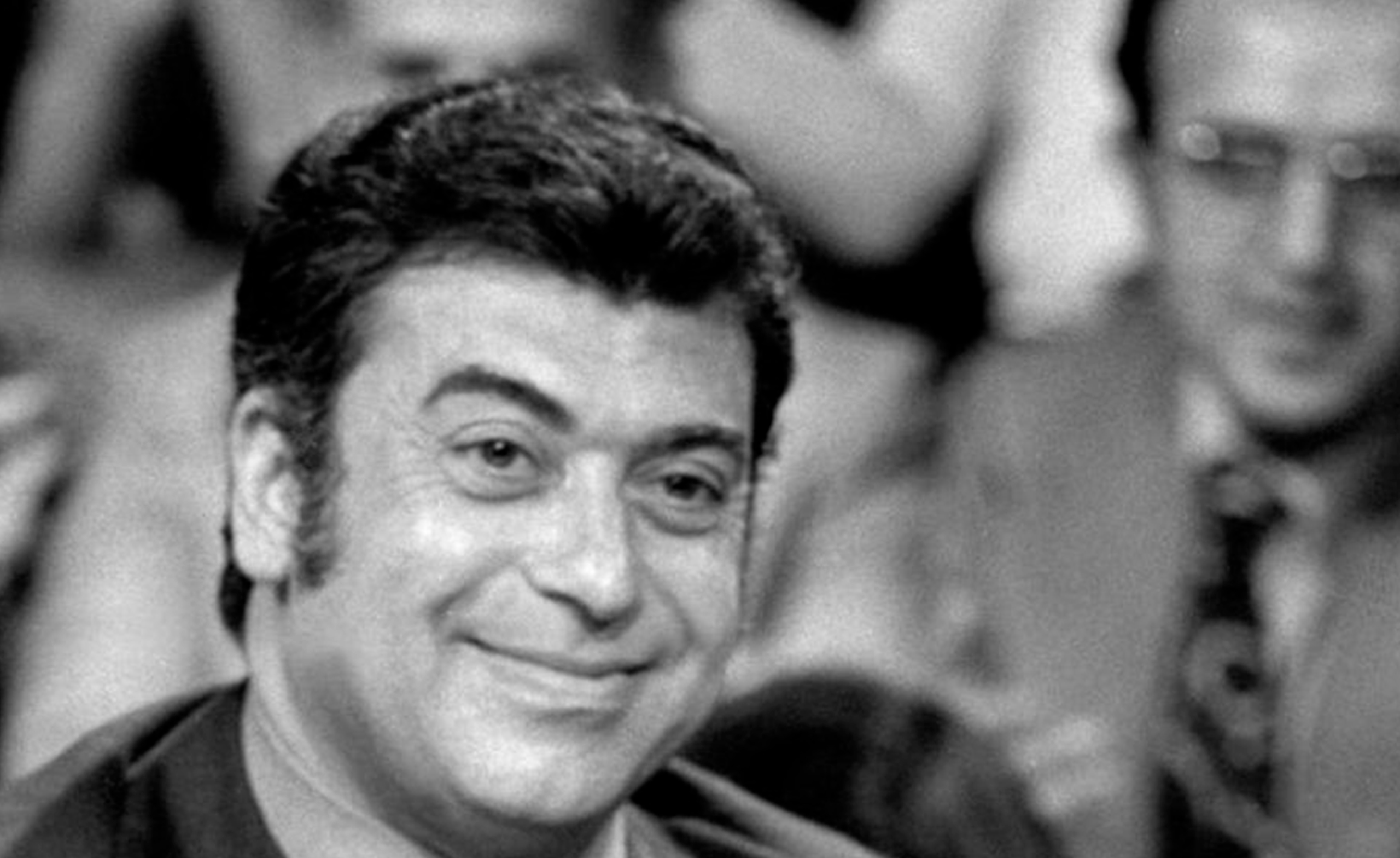
Tico Medina
Tico Medina
Opinion
In my childhood home as a boy from Granada, I had seen a quicksilver mirror. I have always been fascinated by its mystery, by its indefatigable magic. I liked to sit in front of it, that old mirror of lights and shadows, in which I saw myself and also ‘saw what could not be seen’ in any other mirror in the world. I did not want the Venetian mirrors of the houses of my rich friends who had a Carmen in the Albaizín of Granada, I did not even like to look at myself in the still waters, like the názar of the south, of my grandmother’s pool, where the roses of the mud bloomed. No, I liked the secret of the quicksilver mirror, its vibrant poetry, that other real-unreal mute that it offered me. Because in it, my external landscape was faithfully portrayed, but the soul that at that moment was hitting the darkest and sometimes also the lightest folds of my soul was also faithfully seen.
In my childhood home as a boy from Granada, I had seen a quicksilver mirror. I have always been fascinated by its mystery, by its indefatigable magic. I liked to sit in front of it, that old mirror of lights and shadows, in which I saw myself and also ‘saw what could not be seen’ in any other mirror in the world. I did not want the Venetian mirrors of the houses of my rich friends who had a Carmen in the Albaizín of Granada, I did not even like to look at myself in the still waters, like the názar of the south, of my grandmother’s pool, where the roses of the mud bloomed. No, I liked the secret of the quicksilver mirror, its vibrant poetry, that other real-unreal mute that it offered me. Because in it, my external landscape was faithfully portrayed, but the soul that at that moment was hitting the darkest and sometimes also the lightest folds of my soul was also faithfully seen.
This is this splendid, magical painter from Extremadura, and moreover from Granadilla, from the race of the best, from when the painter gods were born in Extremadura, who has brought to my house a brief and brave canvas with an intimate landscape of plinths and mosaics. Thank you. I had been keeping my finger on his pulse for some time. One is old and star-counting. I liked, I was fascinated by the clear eyes of Carrero’s young ladies, that splendid border portrait of King Juan Carlos, stern, solemn, with a touch of state concern in his eyes. On the table, those oranges on the exquisite tablecloth, full of feminine sighs, the sinful and intimate definition of the adorable curve, the poets chosen to accompany his canvases, those poets who paint like him, who sign the background of his verses in front of the quicksilver mirror, which collects not only what he sees but also what is not seen. That is the greatness of Carrero: the sepia photos in albums near and far, the absence and distance they emanate, their mystery, the same word again, the broken mirrors, the torn notebooks, and what the best have said about him, those who are accustomed to recounting the radiance of things. And he sees the plinth, the mosaic that is always or almost always Mudejar, ours, the one that carries the history of the craftsman in the embroidery of clay and colour. The cupboard, the flower – the old, antique cupboard – the fresh rose in the glass, the girl with a woman’s face, the woman with a girl’s face, the little shoe, faded and terrible. He sees the bullfighter as impressive, real, in front of the mirror of courage and fear, beyond realism, hyperrealism, suprismo, carrerismo, that is to say, the one who paints what he looks at and what the one who is looking at feels. The quicksilver mirror in the living room of my house in Calle Moral de Magdalena in Granada. Pencils, tangerines, suitcases, memory, the melancholy of the future. He said so. I paint the soft skin of things. Of course. That is the simplest definition of the soul. It makes small stories huge. The school notebook, hand-written, with that crown pen, the pencil sharp as a dagger or a swan’s feather in the wind, this is the painter Carrero, the poet who paints, always on the question mark of that mosaic, that frieze, of an intimate bath or of a mosque under the olive grove of Fez. I am sorry from Granada to the painter from Granadilla. He-the-painter-who-paints-with-love, in front of the quicksilver mirror. It has overwhelmed me, because of its truth and because its-truth-is-a-truth-that-dreams-, so much so that if you stick your ear to your mirror, you will feel that under that skin, naked, always beautiful and cold, beat, live, breathe, suffer, sing, remember, die and resurrect, those million exceptional stories of the everyday and the oneiric, which are part of our lives. And we don’t know it.
Tico Medina
Journalist